
When planning a visit to one of Bali’s most beloved natural attractions, it’s becoming increasingly important to embrace Sustainable tourism Tegenungan Waterfall. Tegenungan Waterfall, located in Kemenuh Village in the Sukawati district of Gianyar Regency, is not only visually stunning but also culturally significant and ecologically sensitive. With growing numbers of tourists every year, the need to support sustainable tourism practices around this site has never been greater. Understanding how your actions can impact both the natural environment and local communities is the first step toward responsible travel.
The concept of Sustainable tourism Tegenungan Waterfall revolves around minimizing environmental damage while enhancing economic and social benefits for local residents. This means traveling in ways that protect the waterfall’s ecosystem, particularly the rivers and forests that feed it and supporting community-driven initiatives that preserve Balinese culture. With increasing visitor pressure, efforts to maintain ecological balance are critical to ensuring that this natural wonder remains beautiful and healthy for future generations.
At its heart, sustainable tourism requires respect for natural resources. The falls are fed by the Petanu River, a waterway that winds across central Bali before cascading into the jungle here. However, over-tourism and unmanaged waste have posed environmental challenges, including soil erosion along trails and plastic debris accumulating near the riverbanks. Travelers who adopt eco-friendly behavior such as using reusable water bottles and properly disposing of trash help lessen the ecological footprint of tourism in the area.
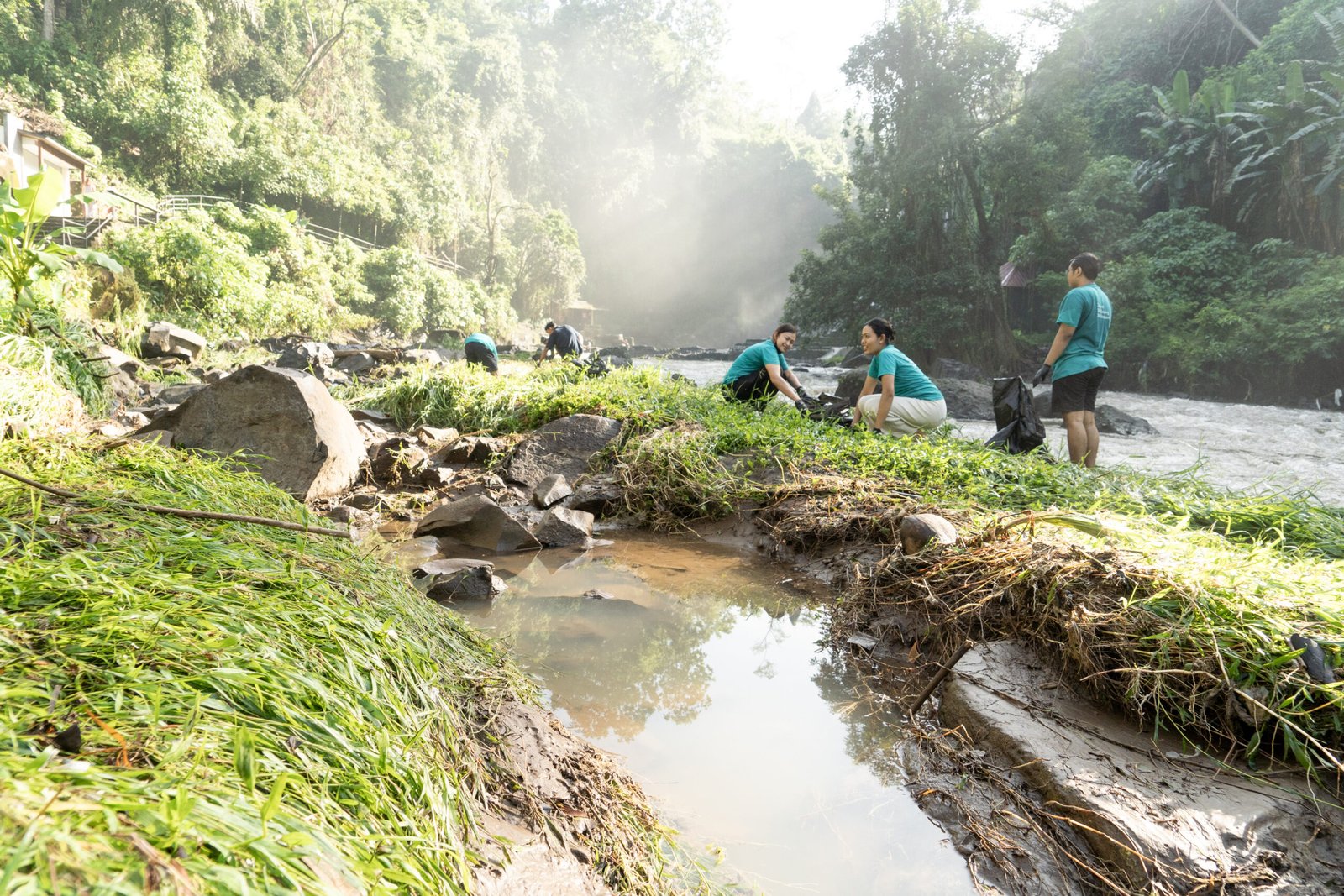
For visitors committed to Sustainable tourism Tegenungan Waterfall, a simple practice like reducing single-use plastics makes a substantial difference. Local guides and community campaigns often encourage tourists to bring reusable containers and avoid disposable packaging. This effort, although small in individual impact, collectively helps reduce pollution in the water and surrounding greenery. Participating in clean-up initiatives or volunteering with local conservation groups when available further supports this sustainable approach.
In addition to preserving the environment, sustainable tourism of Tegenungan Waterfall must empower the local community. Community-based tourism practices ensure that the economic benefits from tourism are shared fairly and contribute to the livelihood of local residents. For example, local vendors often sell handcrafted goods, traditional snacks, and refreshing drinks near the entrance. Purchasing from these stalls not only enhances your cultural experience but also directly supports families who rely on tourism for their income.
Supporting local enterprises is a cornerstone of Sustainable tourism Tegenungan Waterfall because it connects travelers with authentic Balinese culture while strengthening the local economy. Whether you buy a handwoven souvenir, dine at a small warung (family-run eatery), or hire a local guide, your spending circulates within the community rather than going to international corporations. Such mindful choices help ensure that the economic impact of tourism benefits the people who live in and care for the region.
Sustainable travel also involves respecting the cultural values that enrich the Sustainable tourism Tegenungan Waterfall experience. Bali is a deeply spiritual place, and the waterfall area is no exception. Nearby shrines and water temples are part of local religious life, and visitors are encouraged to be mindful of ceremonies and cultural practices. Wearing modest clothing, acting respectfully around sacred spaces, and learning about local traditions fosters meaningful and considerate engagement with Balinese culture.
Another vital aspect of Sustainable tourism Tegenungan Waterfall is staying on designated paths and guided routes. This practice helps prevent unnecessary trampling of delicate vegetation and reduces soil erosion along sensitive riverbanks. Many parts of the waterfall area include marked trails, steps, and viewing platforms designed to balance accessibility with nature conservation. By keeping to these designated areas, visitors minimize their impact on the landscape and help preserve the environment’s structural integrity.
Water quality is central to the well-being of both people and wildlife around Tegenungan, and Sustainable tourism Tegenungan Waterfall promotes habits that protect this precious resource. Avoid using soaps, shampoos, or other chemical products in the waterfall’s pools or streams, as these substances can disrupt aquatic ecosystems and harm wildlife. By choosing biodegradable and gentle products for your day trip, you contribute to maintaining clean, healthy waters.
Moreover, sustainable tourism benefits from visitors who come with awareness and patience. High tourist traffic can strain local infrastructure and disturb the natural rhythm of the site, so practicing patience, especially during peak times and being prepared for occasional congestion shows respect for both locals and nature. Planning your visit during less crowded hours, such as early morning or late afternoon, not only enhances your experience but also diffuses pressure on the surrounding environment.
Education is another powerful tool in advancing Sustainable tourism Tegenungan Waterfall. Communities and tourism stakeholders often provide information on why certain behaviors matter. Paying attention to signs about environmental protection, joining eco-tours led by knowledgeable guides, and learning from locals about the cultural and ecological significance of the waterfall enriches your travel experience and reinforces sustainable practices.
In the long run, sustainable tourism Tegenungan Waterfall depends on collaborative efforts among governments, local communities, business owners, and visitors. Research and development have suggested that structured management models involving multiple stakeholders from villagers to universities can enhance sustainable tourism policies and infrastructure around the waterfall. Such cooperation is key to conserving natural beauty while accommodating tourism growth responsibly.
Ultimately, supporting Sustainable tourism Tegenungan Waterfall means recognizing your role as a visitor and steward of the environment. Every action from reducing waste and supporting local businesses, to showing cultural respect and staying informed, contributes to safeguarding this cherished Bali destination. When travelers adopt sustainable habits, they not only protect Tegenungan’s forests, rivers, and wildlife but also enrich their own experience with deeper understanding, connection, and appreciation.